Second Version of Field Day Events Held at Our University
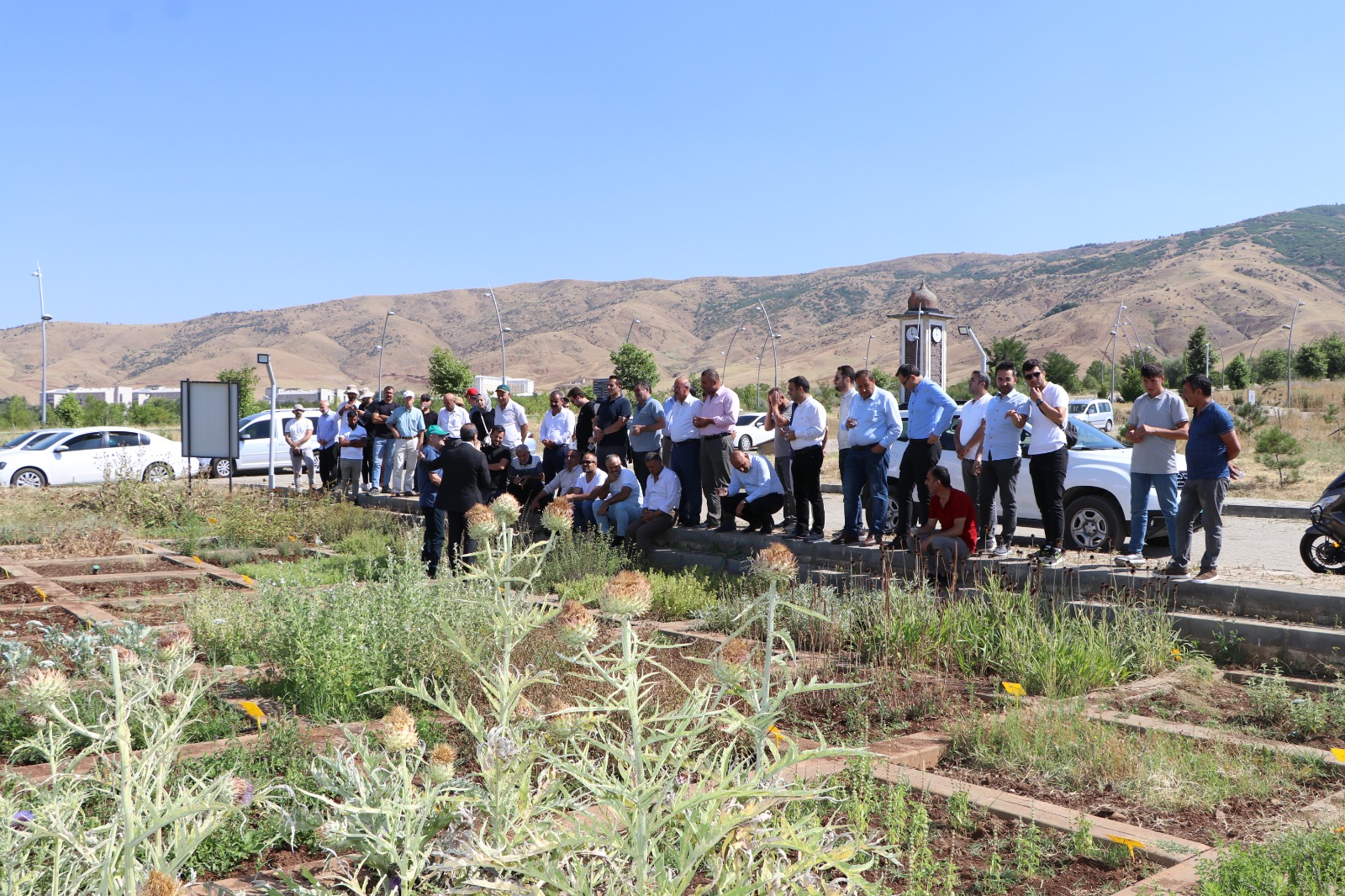
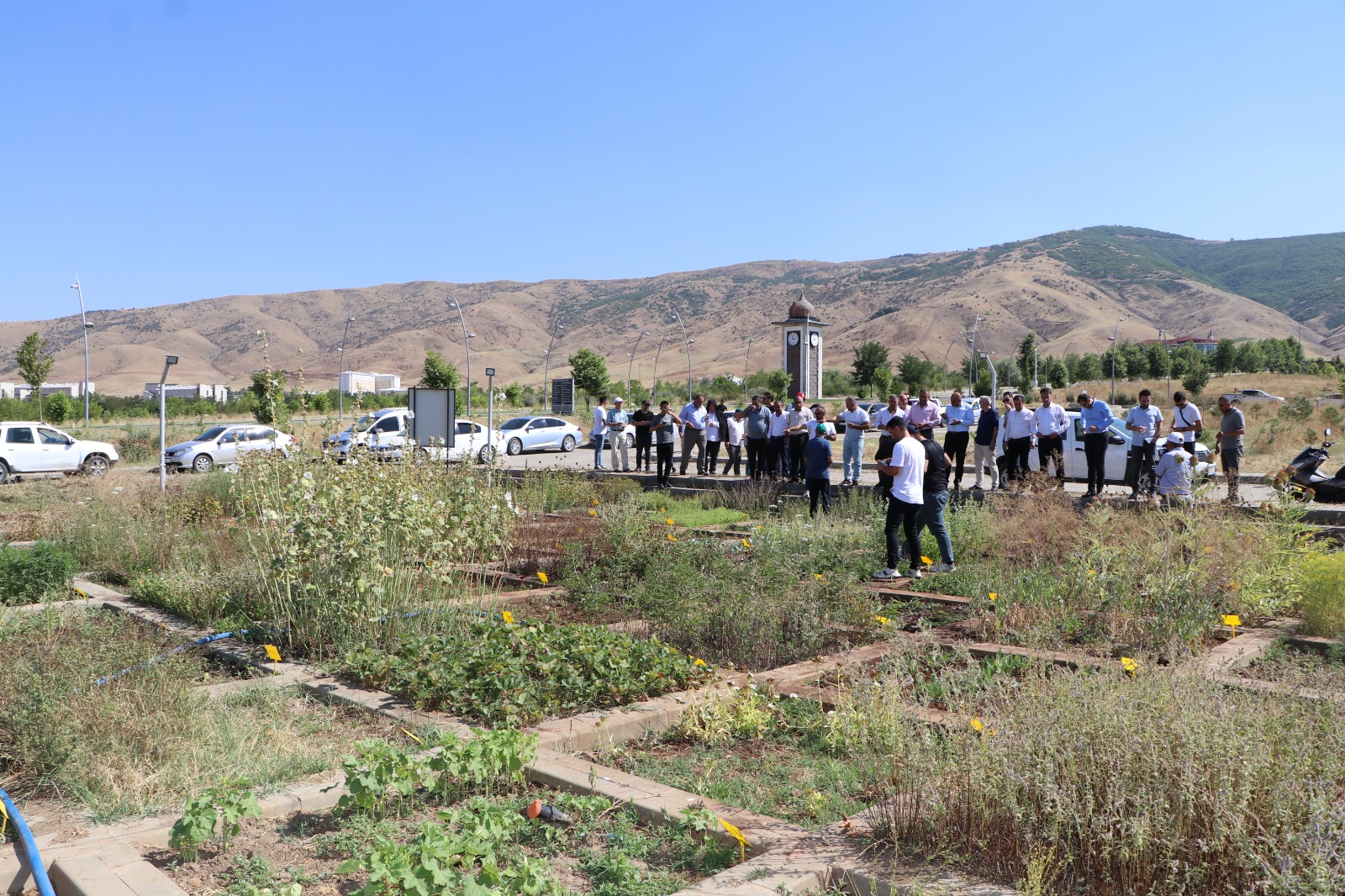
The second version of Field Day Activities were organized by the Faculty of Applied Sciences of Muş Alparslan University in the research and trial areas of our university complex.
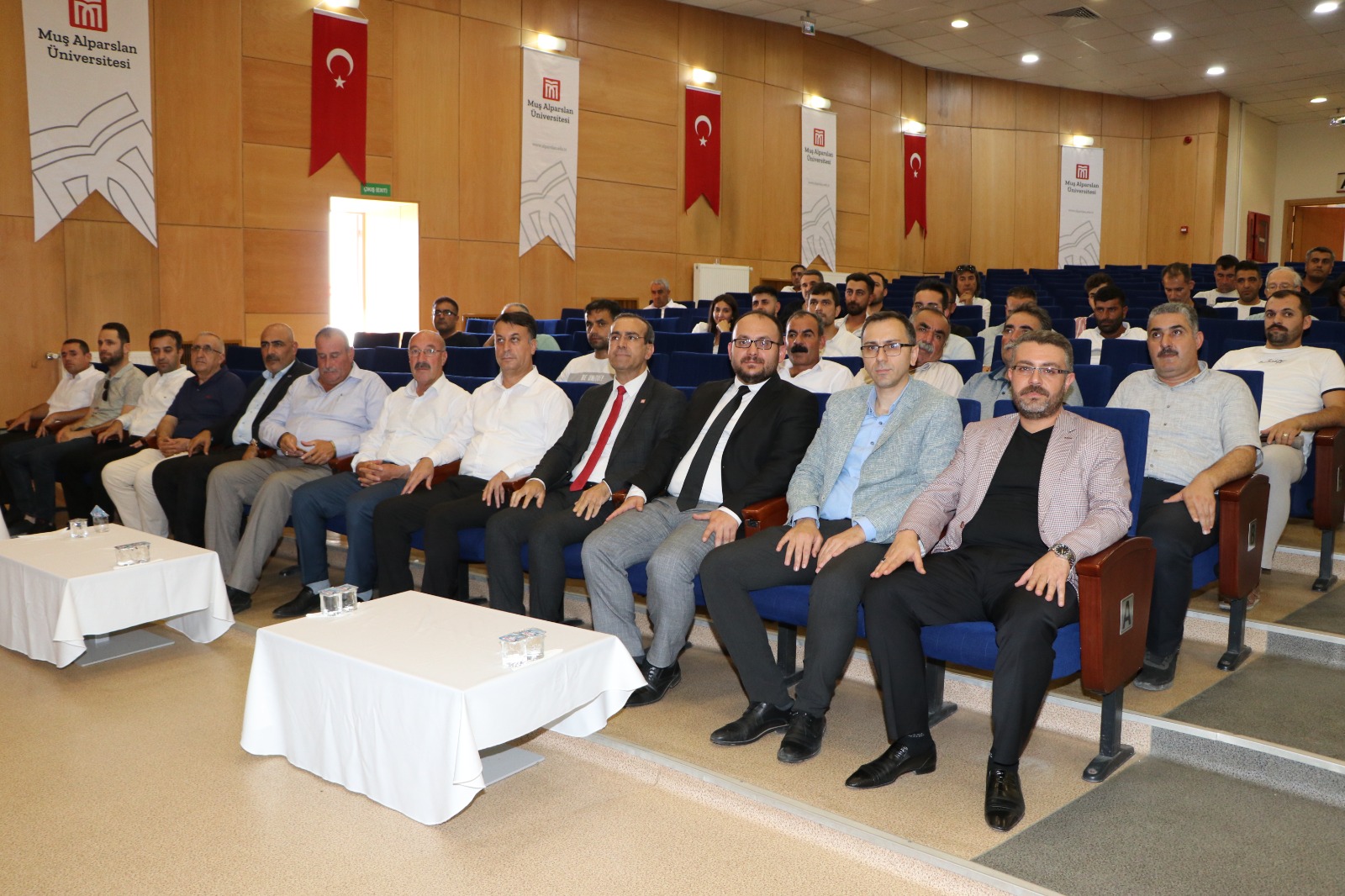
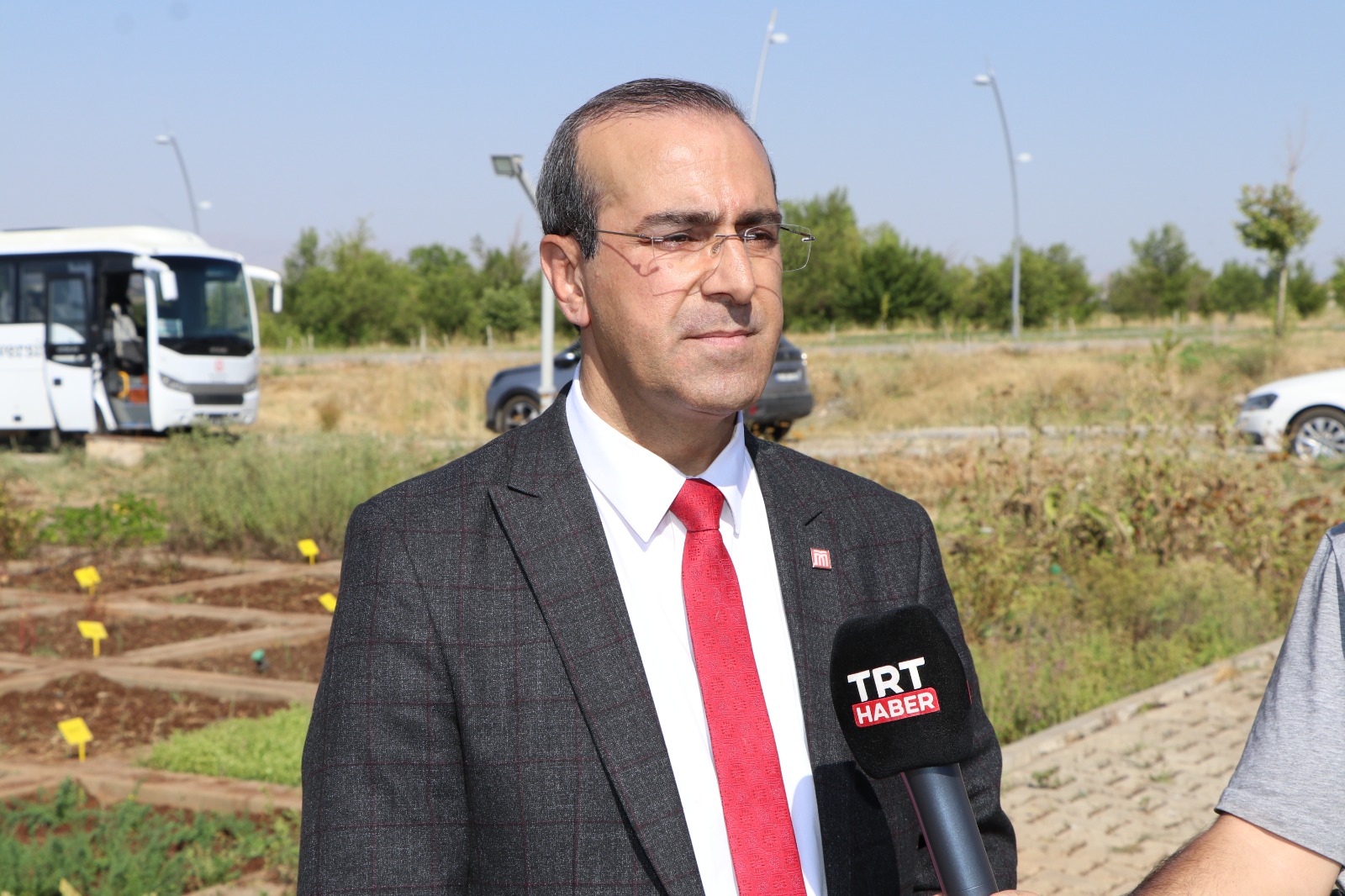
The event, which draws attention with its intensity, was attended by Rector Prof. Dr. Mustafa Alican, along with Vice Rector and Dean of the Faculty of Applied Sciences Prof. Dr. Yaşar Karadağ, Advisor to the Rector Assoc. Dr. Mehmet Özalper, Deputy Secretary General Uğur İnan Kaki, Manager of Muş Provincial Agriculture and Forestry Mehmet Gün, Manager of Yıldız Alparslan Agricultural Enterprises Hanifi Yağmur, Manager of Muş Meteorology Mehmet Reşit Aydın, Provincial Manager of Muş Family and Social Services Abdulbaki Aksoy, Manager of Muş Agriculture Credit Cooperative Nimet Vuran, Coordinator of Muş Agriculture and Rural Development Support Institution Bünyamin Süne, Head of Muş Cattle Breeders Association Cemal Arat, Head of Muş Buffalo Breeders Association Yüksel Erkul, head of Muş Sheep-Goat Breeders Union Nimet Salkım, our university’s unit supervisors, academics , producers, guests and members of the press.
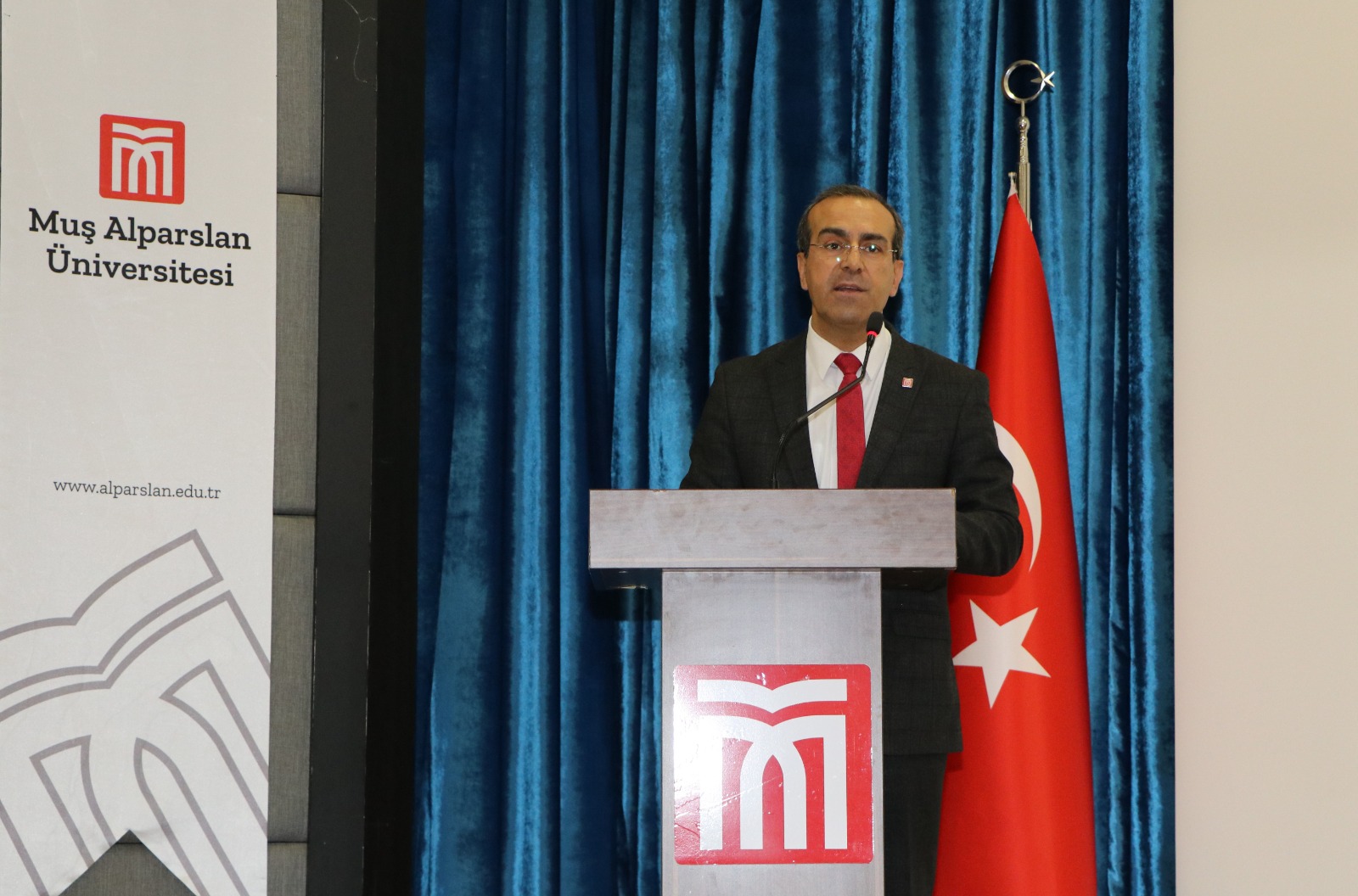
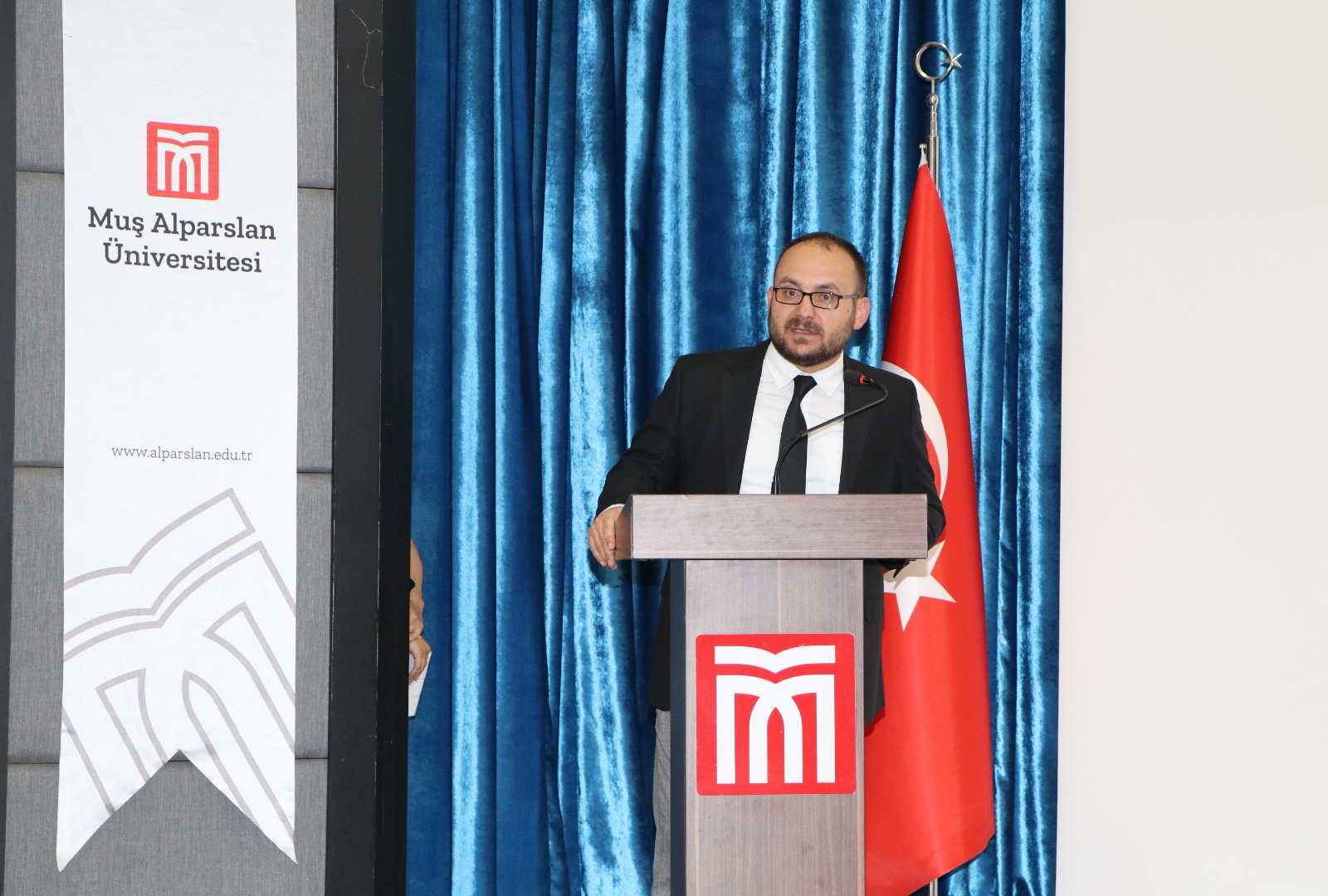
The program which began with the opening speeches of Rector Prof. Dr. Mustafa Alican, Muş Provincial Director of Agriculture and Forestry Mehmet Gün and Vice Rector and Dean of the Faculty of Applied Sciences Prof. Dr. Yaşar Karadağ continued with the introduction of the scientifically conducted plant production trials in Muş for the first time in the Research and Experimental Areas of our University Complex.
In his opening speech, Rector Prof. Dr. Mustafa Alican said: "Our university has been selected as a pilot state university in the field of animal husbandry as of 2018. We continue to work in this field with our Faculty of Applied Sciences. Mus Plain is the third largest plain in Turkey. With an irrigation project to be completed by the end of August, Muş Plain will be fully watered and irrigated farming activities will begin in the Muş Plain next autumn. Therefore, we will do our best to develop both agriculture and animal husbandry in Muş within the Faculty of Applied Sciences. We are aware that tobacco production in Muş has also attracted international attention recently. Our faculty will contribute actively to the process by making the necessary preparations in this regard. The grain production capacity of the Muş Plain has the capacity to meet the grain needs of the entire population of Turkey. Therefore, when we switch to irrigated agriculture, we will get closer to our goals."
Taking the floor after the rector, Provincial Agriculture and Forestry Director Mehmet Gün said, "The new production planning and contracted production model of our Ministry is very important. It is more beneficial for our province to carry out such studies and projects of our university together with our Provincial Directorate, institutions, organizations, and NGOs affiliated to our Ministry. In this sense, the work of the academics working within the Faculty of Applied Sciences of Muş Alparslan University is commendable. It is an opportunity to ensure the production and development of the plants tested in the greenhouse in our province, and we, as the Provincial Directorate of Agriculture and Forestry, will do our part institutionally.“
Making important statements during the opening of the program, Vice Rector and Dean of the Faculty of Applied Sciences Prof. Dr. Yaşar Karadağ said, "Our university, which was selected as a pilot state university in the field of animal husbandry on 12 December 2018, was selected as a Joint Application and Research Center for Grassland, Pasture and Forage Crops in Roughage by the Council of Higher Education on September 10, 2021. In this context, under the coordination of our university, studies began with the partnership of Çukurova University, Dicle University and Ondokuz Mayıs University respectively. As the Faculty of Applied Sciences, I am happy to state that scientific research and trials carried out for the first time in Muş, in seven locations, especially in the research and testing areas of our university complex, have started and continue. In the field of forage crops; alfalfa, silage maize, silage sorghum, Hungarian vetch, sainfoin, mulberry, fodder pea, pork weed, Italian grass also known as milk grass, soybean silage, triticale - Hungarian vetch mixture and sainfoin - pig weed, in the field of cereals; wheat, barley and triticale, in the field of industrial crops; Virginia tobacco, potato, sugar beet, sunflower, sesame, nigella sativa, safflower, pelemir, flax, camelina, buckwheat and very early cotton trials consisting of one hundred and fifty-six lines, in the field of edible grain legumes; chickpeas, red and green lentils, in the field of fruit growing; goji bery (wolf berry), Vakkas grape, tuberous vine sapling, strawberry, aronia, dragon fruit and turmeric, in the field of medicinal and aromatic plants; A variety garden consisting of over one hundred medicinal and aromatic plants has been established. In the field of animal production, field studies which are supported by projects in buffalo, cattle breeding, sheep breeding, poultry and beekeeping disciplines, have started rapidly."
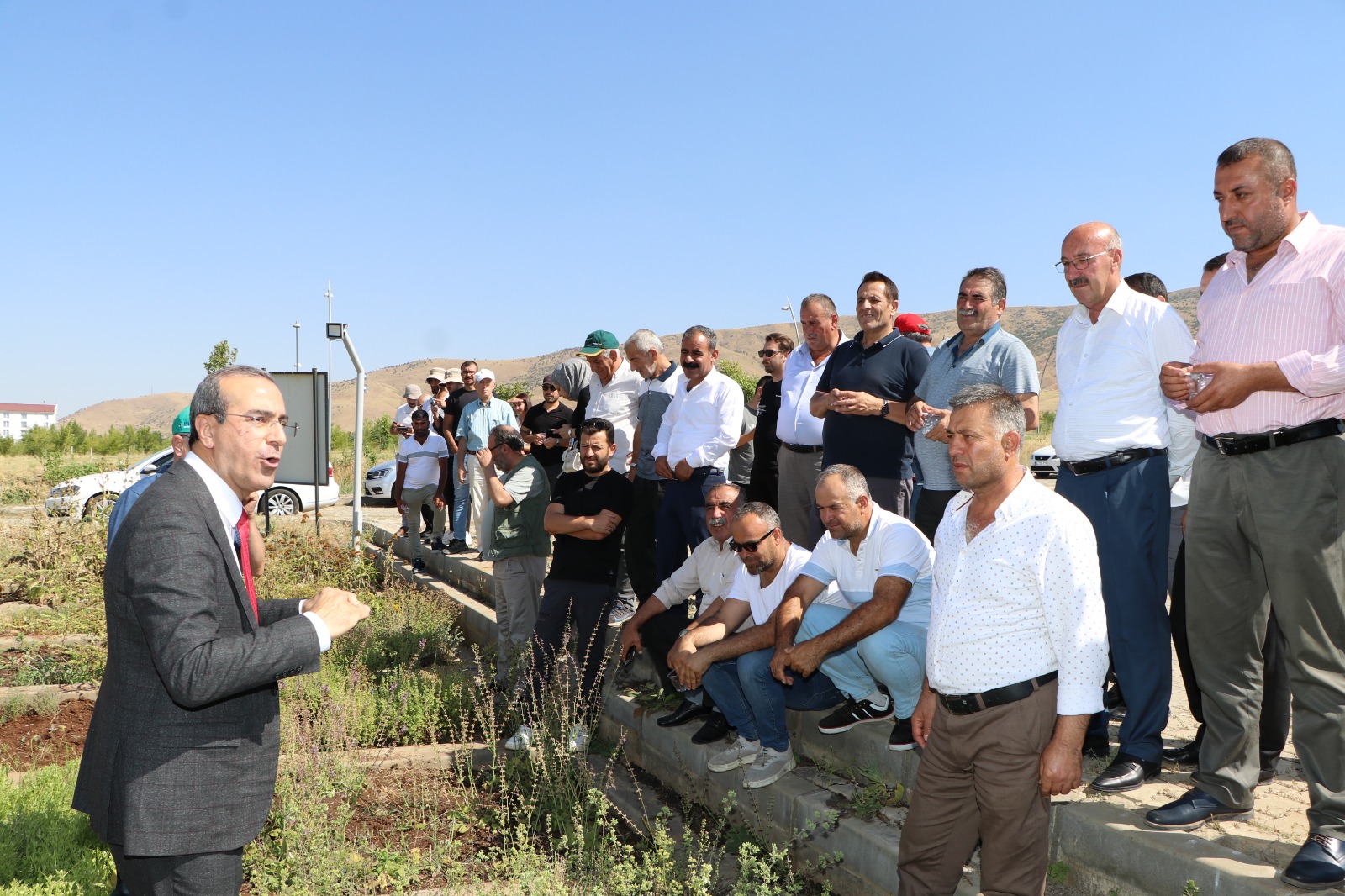
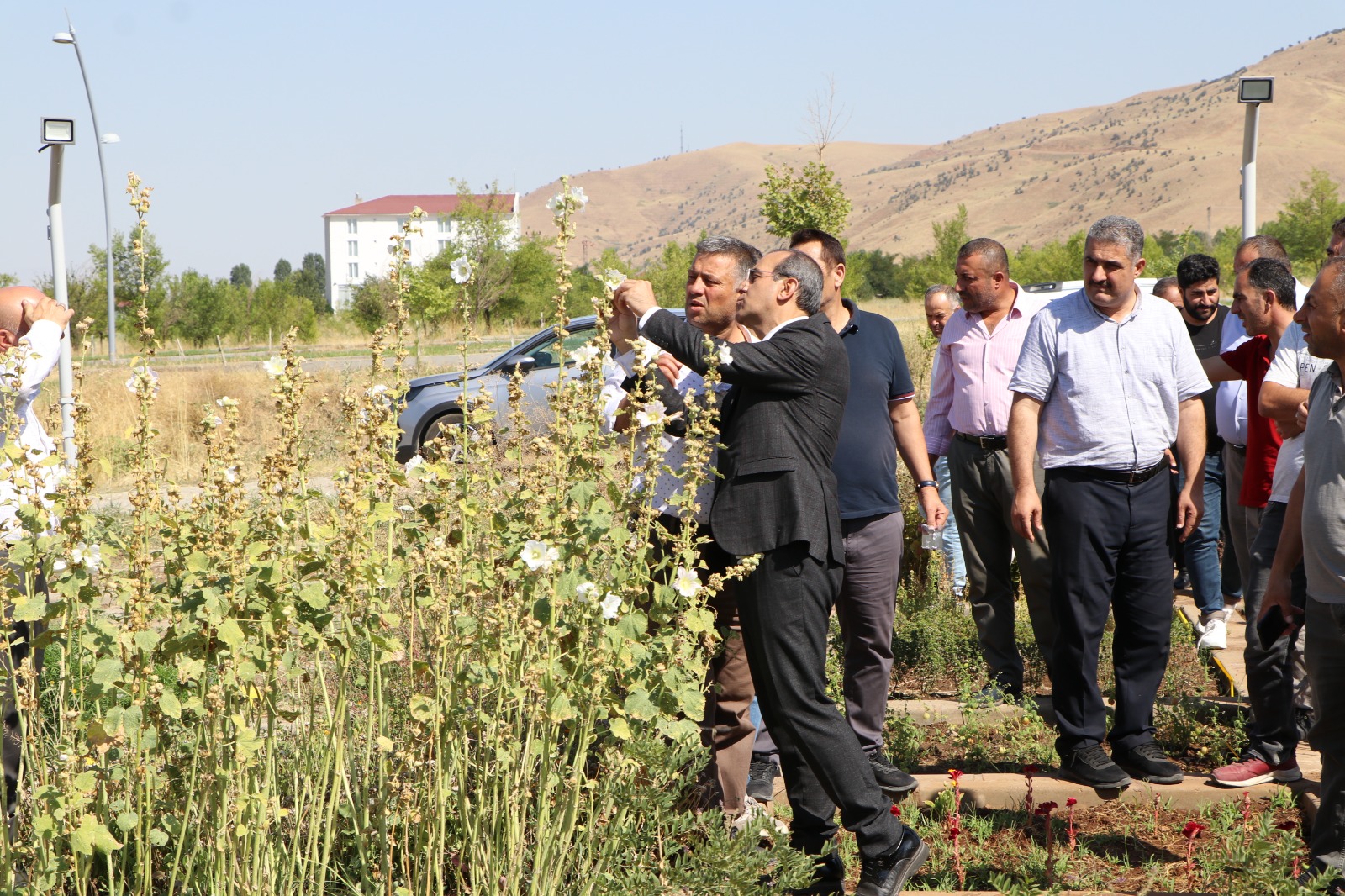
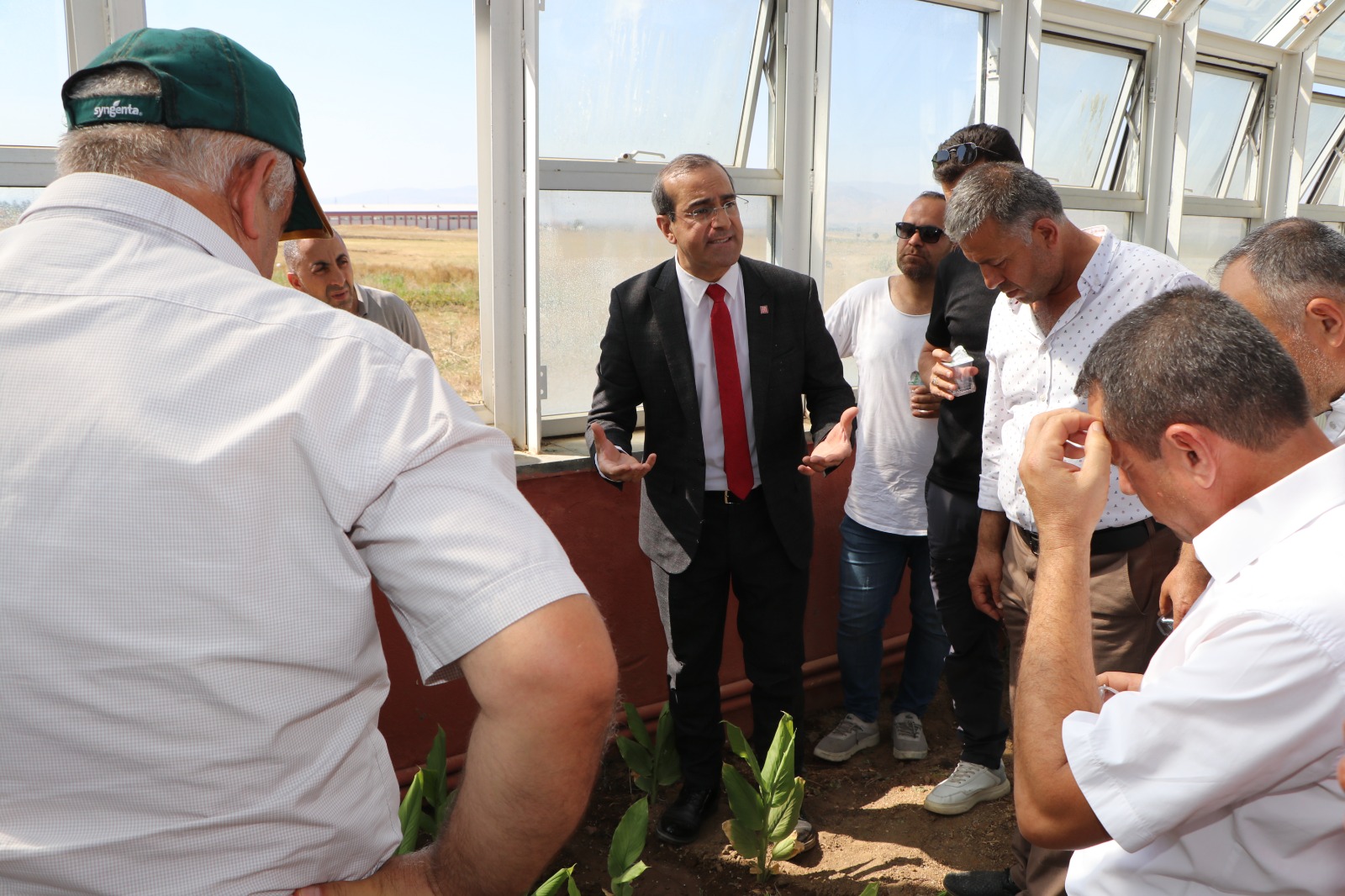
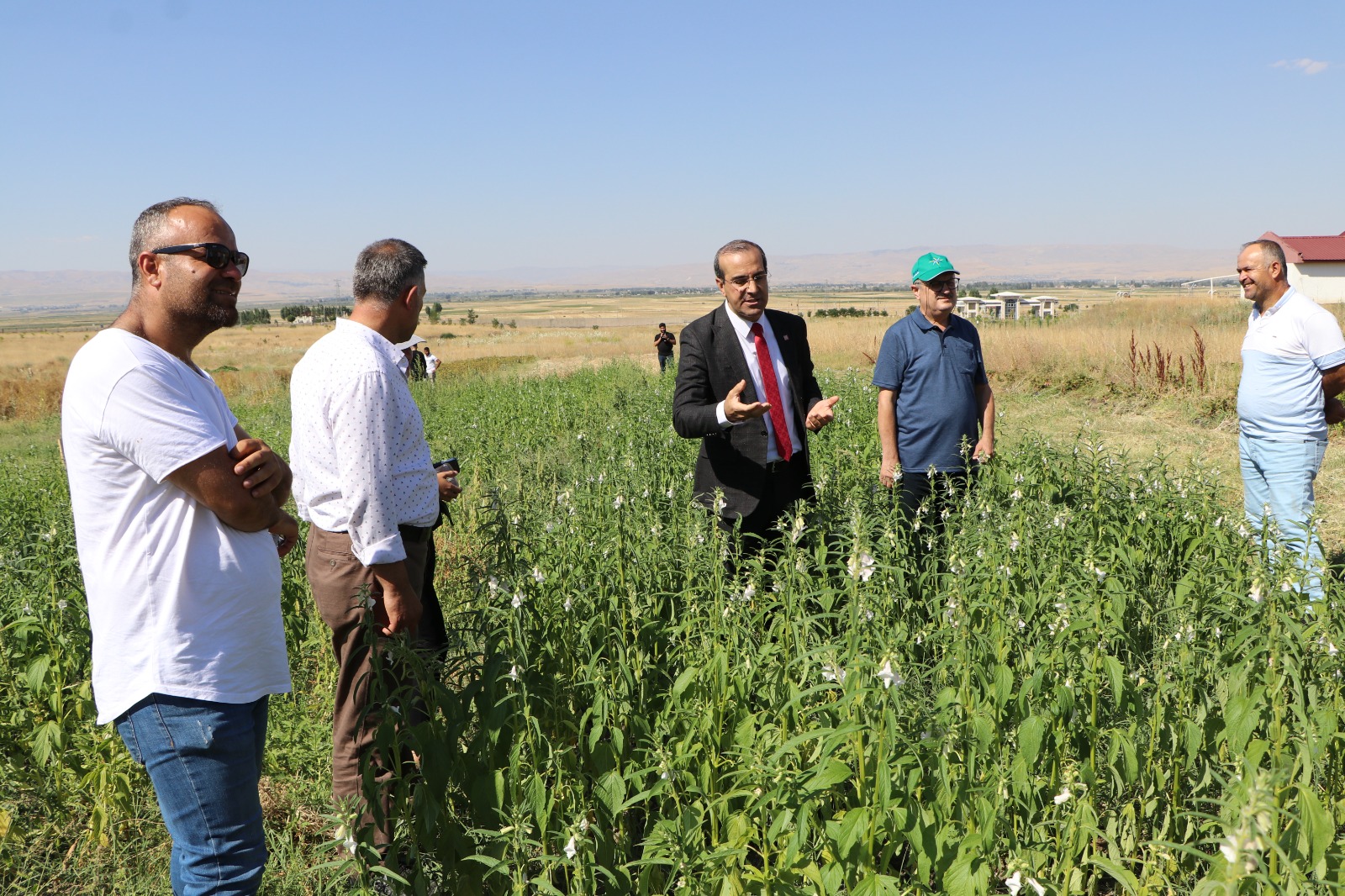
After the opening speech, the participants, within the scope of scientific research carried out by the Faculty of Applied Sciences, examined over a hundred medicinal and aromatic plant species that were previously planted in the research and trial areas of our university complex, goji berry (goji berry), aronia, Vakkas grape, tube vine sapling, strawberry, dragon fruit, turmeric, flax, camelina, buckwheat, cotton, potato, sunflower, peanut, sesame, black cumin, safflower, sugar beet, sunflower, bread wheat, durum wheat, barley, triticale grain, chickpea, red lentil, sesame, clover, oat , mulberry, fodder pea, forage triticale, common vetch, Italian grass (milk grass), sainfoin oat - common vetch forage plant mixture, barley - common vetch forage plant mixture, Hungarian vetch - triticale forage plant mixture and Muş tulip. They also received information about the studies from the authorities.
Making the closing speech at the end of the event, Prof. Dr. Yaşar Karadağ conveyed his thanks to rector Prof. Dr. He Mustafa Alican.