Journalism in the Digital Age Workshop Organised by the Faculty of Communication
A workshop titled "Journalism in the Digital Age: Education, Sector and Innovations" was organised by the Faculty of Communication.
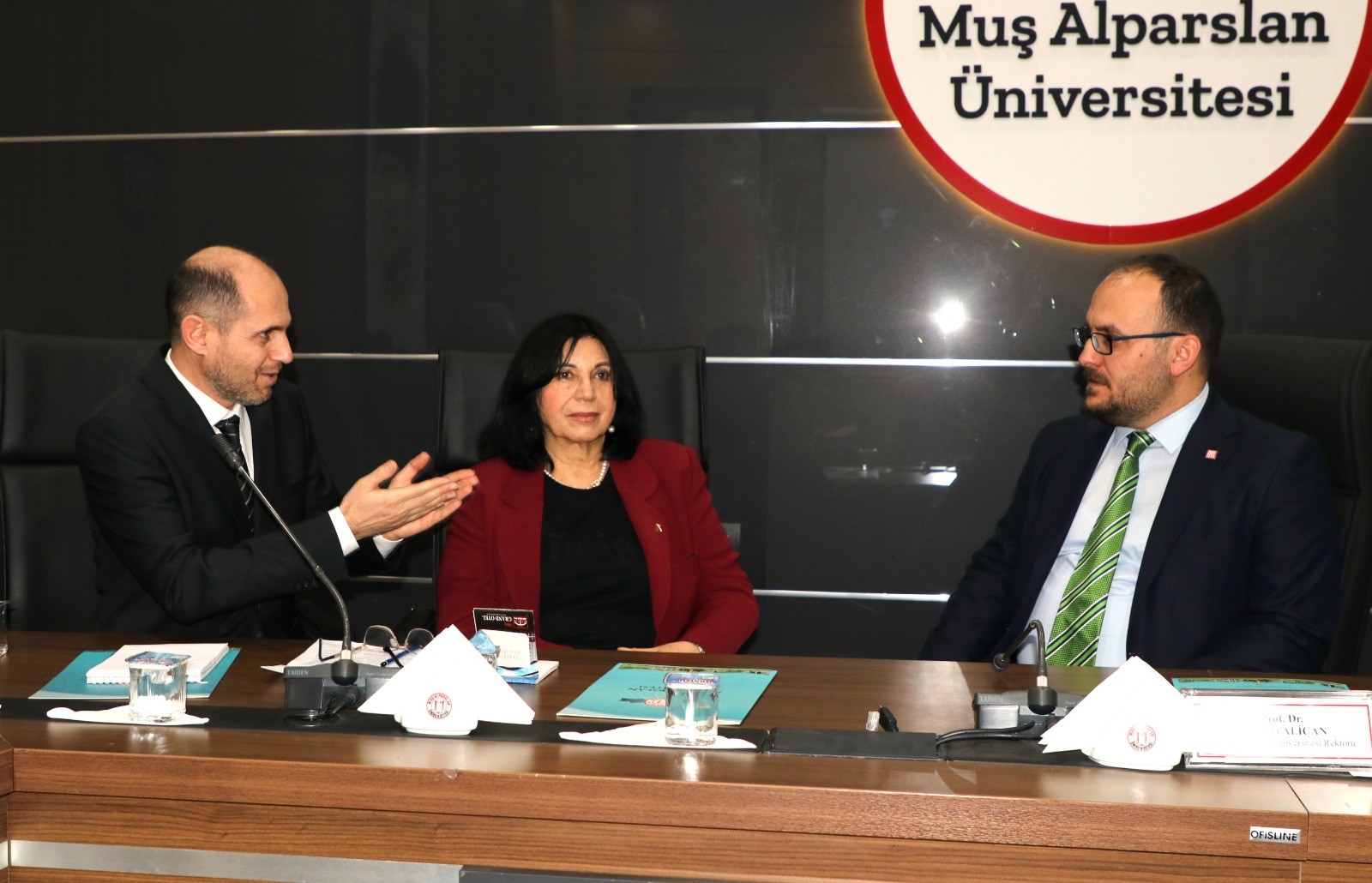
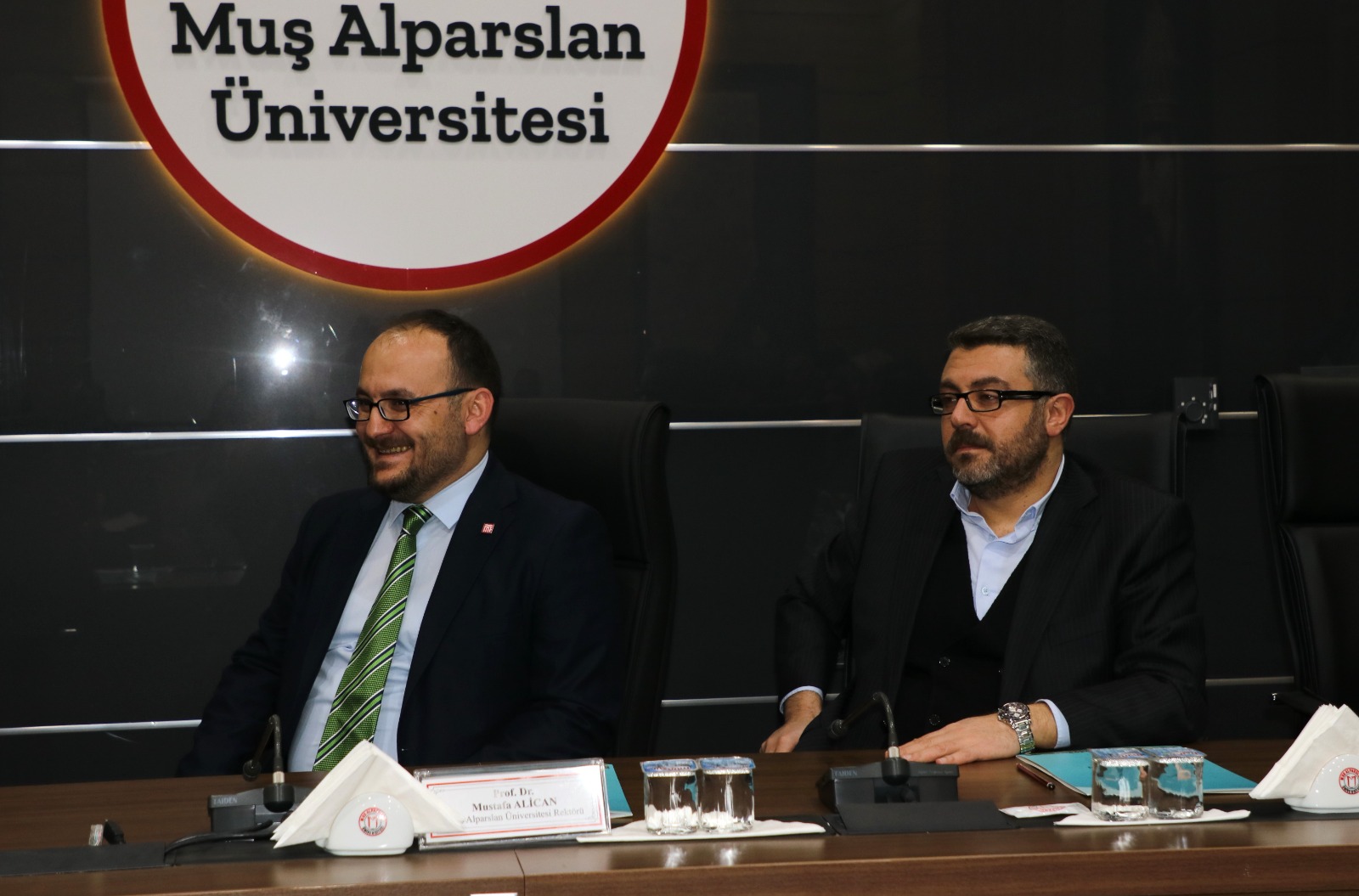
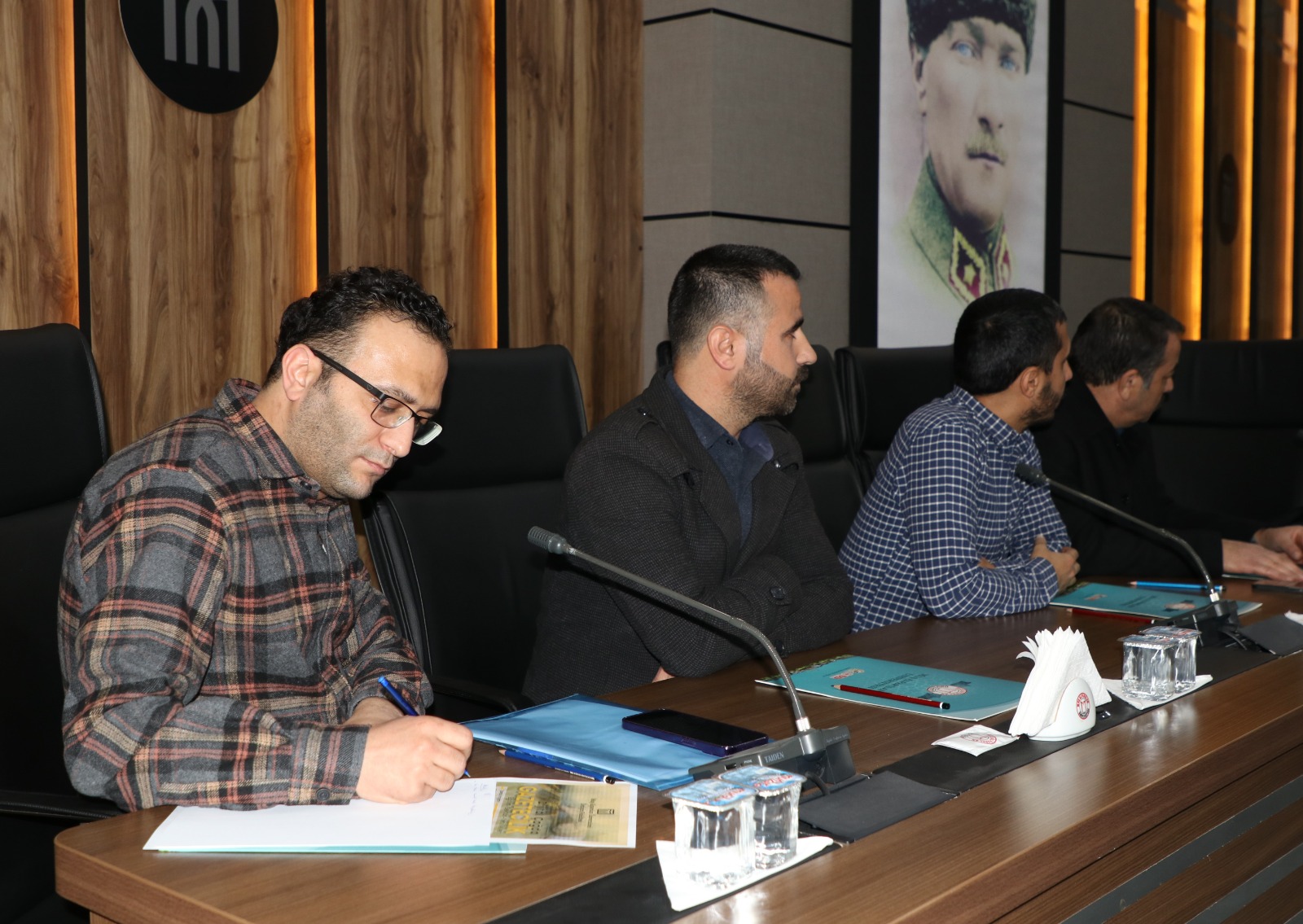
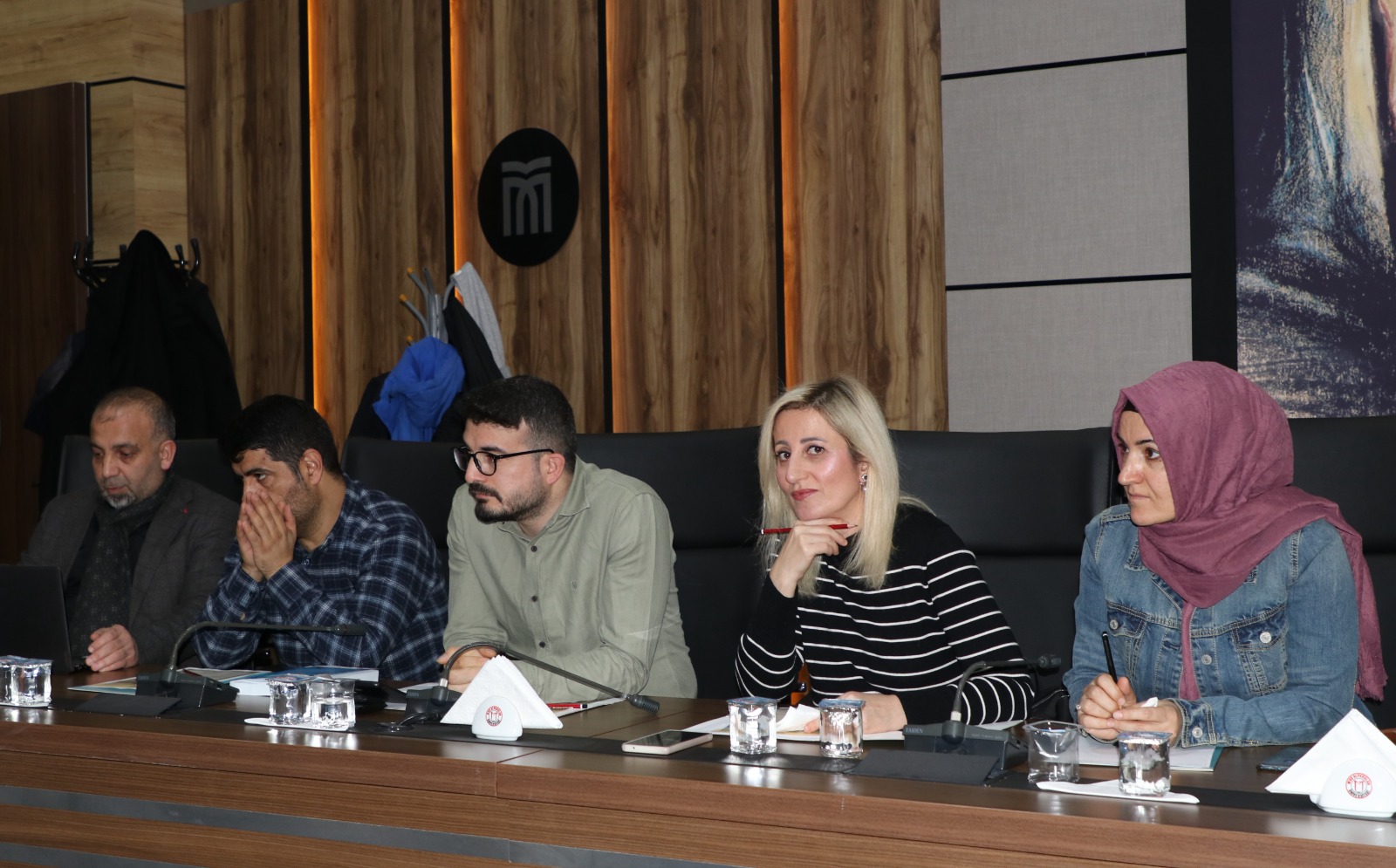
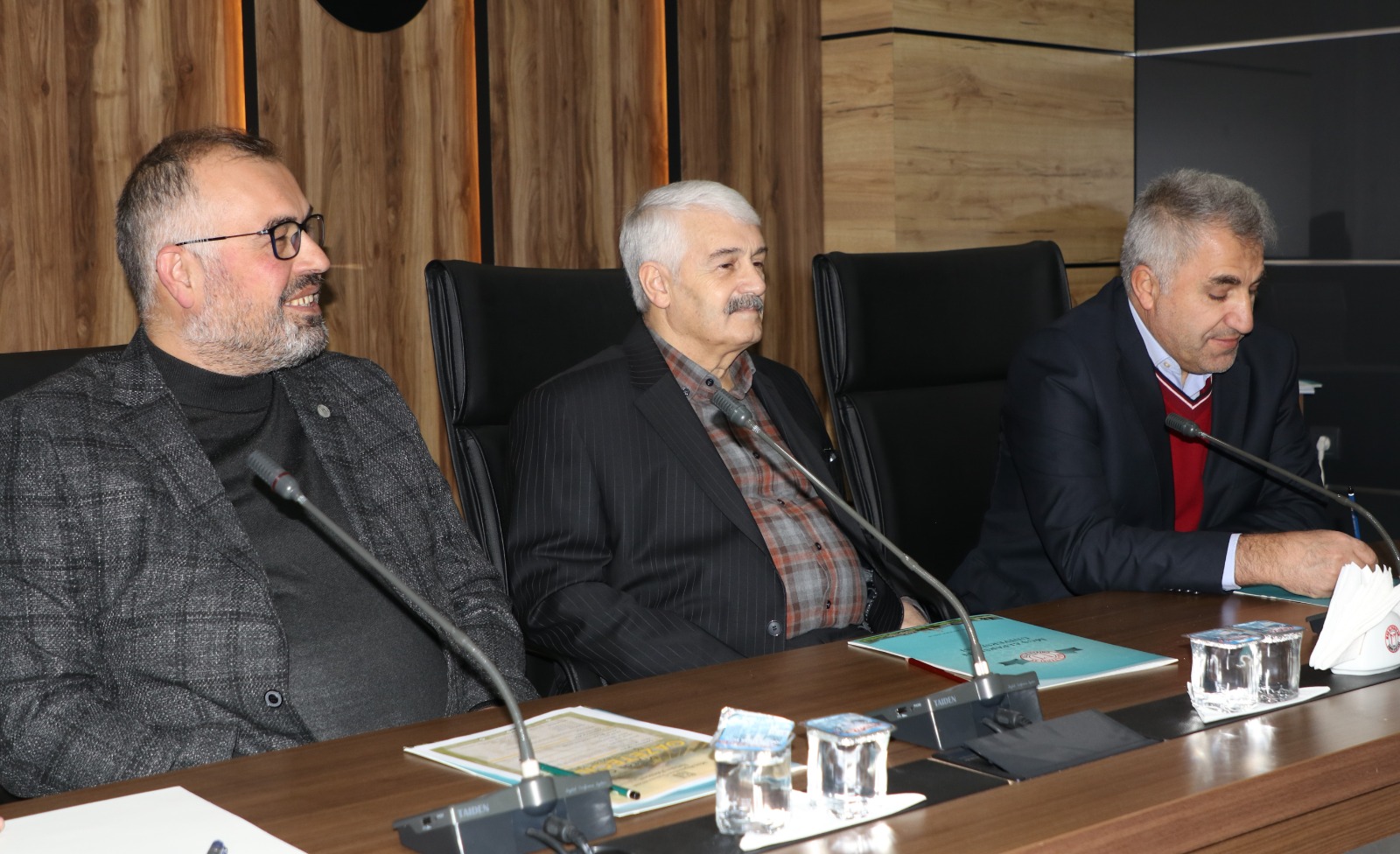
Rector Prof. Dr. Mustafa Alican, Advisor to the Rector Assoc. Prof. Dr. Mehmet Özalper, academics from different universities, stakeholders from local and national press and academics from the Faculty of Communication attended the workshop held at 1071 Malazgirt Congress and Culture Centre. The opening and greeting speech of the workshop, which was held in three sessions with the titles of journalism education, communication sector, journalism risks and opportunities in the digital age, was made by our Rector Prof. Dr. Mustafa Alican.
Our Rector Prof. Dr. Mustafa Alican, who is the honorary chairman of the workshop, said in his opening speech "I would like to thank the Faculty of Communication for organising a workshop on such a qualified and needed subject". Stating that the nature of the journalism profession has undergone change and transformation as technology develops, Prof. Dr. Mustafa Alican pointed out that the profession of journalism was performed in different ways and was an important power when the media was not so digitalised. Stating that technological developments have transformed journalism and journalism practices, Rector Alican emphasised that the uncertainty of the subject, object, news, events and phenomena through the speed of technology and the content in circulation brings along the problem of trust. Referring to Jean Baudrillard, Prof. Dr. Mustafa Alican stated that the fake has replaced the truth and that the issues to be discussed in the workshop are also important in this respect.
Speaking at the opening of the workshop, Dean of the Faculty of Communication Prof. Dr. Tamella Aliyeva started her speech by celebrating "10 January World Working Journalists Day". Thanking the participants of the workshop, Prof. Dr. Aliyeva stated that journalists and the press have a vital function for all countries and that the media is the beating heart, thinking brain and working hand of a country.
Speaking about the function and purpose of the workshop in the opening session, Faculty of Communication Vice Dean Dr. Lecturer. Prof. Abdulsamet Günek said that workshops are important academic events in terms of in-depth discussion and examination of a subject by experts in the field. Günek emphasised that the main purpose of the workshop is to address the current and possible conditions of journalism in the new media ecosystem and stated that journalism education, media sector and new digitalisation trends will be discussed in the form of negotiations. Günek also stated that the results obtained at the end of the workshop will be reported and shared with the public and the sector.
In the first session titled 'journalism education' moderated by Prof. Dr. Hakan Temiztürk, the transformation of journalism education in the historical process, its current status and possible future transformations were discussed. In this session, the curricula of communication faculties providing journalism education in Turkey and in the world, their educational approaches and how they adapt to new processes were also discussed.
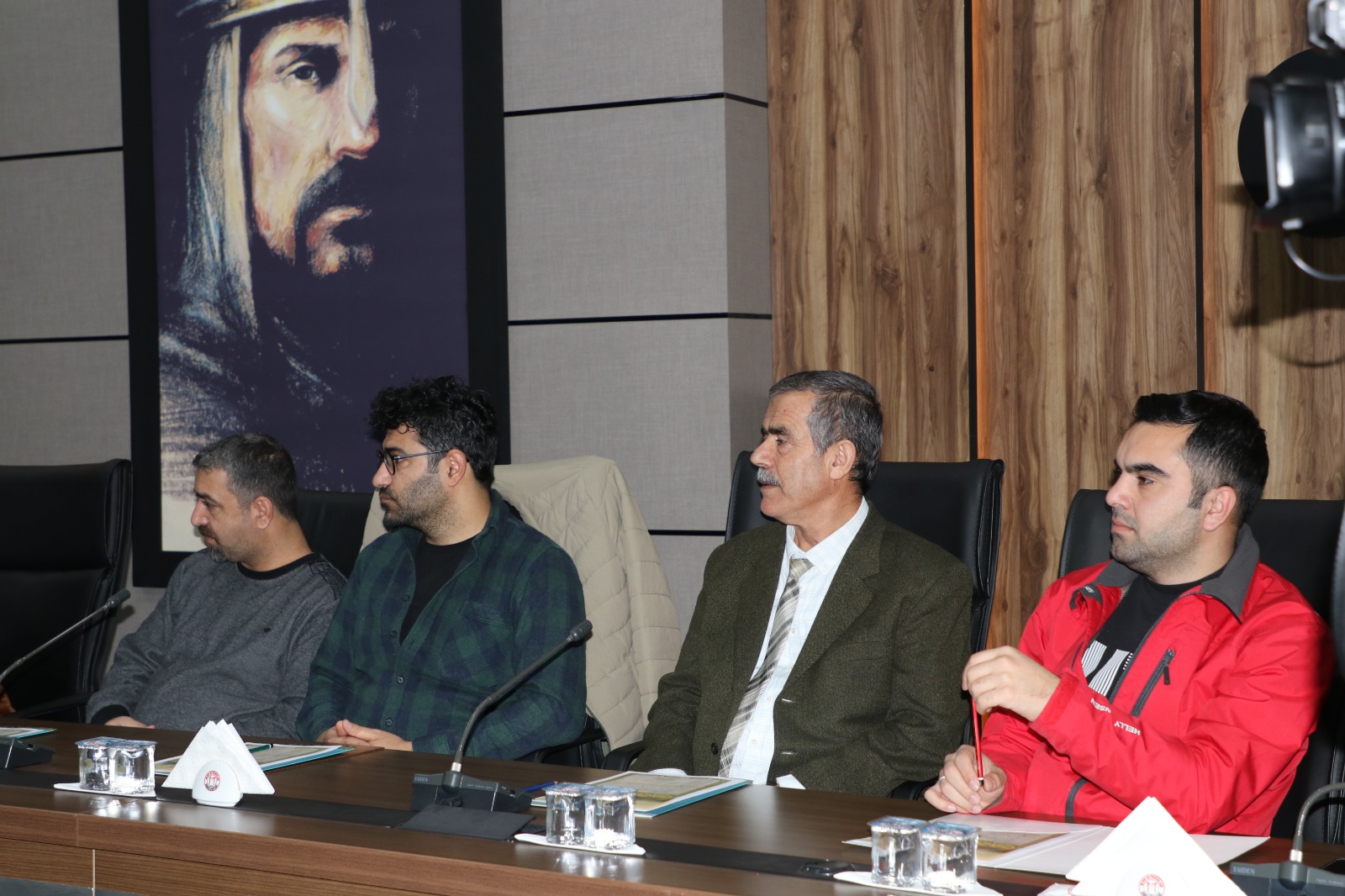
In the third session moderated by Assoc. Prof. Dr. Faruk Temel, 'media sector' was discussed. In this session, with the evaluation and participation of stakeholder participants from national and local media, in-depth opinions were expressed on the current problems of the media sector, expectations from communication faculties and how they are affected by digitalisation processes. In this session, issues such as news practices of the media, news language, employment problems, economic opportunities and public broadcasting were also discussed.
In the last session of the workshop moderated by Prof. Dr. Faculty Member Abdulsamet Günek, the profession of journalism in the new media ecosystem, which is greatly affected by digitalisation, was discussed. In this session, what kind of risks and opportunities the journalism profession faces in the face of digitalisation was discussed. In this context, new journalistic practices, artificial intelligence applications, the functioning of editorial processes, the transformation of journalist identity and new types of journalism were discussed.
The workshop ended with an evaluation session where participants expressed their suggestions.