


Contribution of "Electrochemotherapy" to Cancer Treatment by Our lecturers
Lecturers of our university have been contributing to cancer treatment with the electrochemotherapy technique, which they have been working on for 2 years.
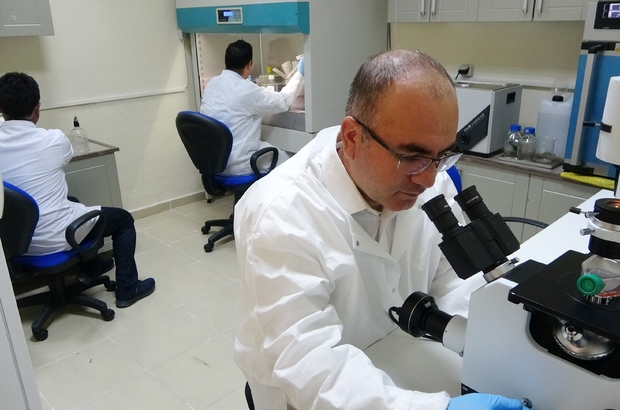
With the electrochemotherapy technique studies carried out at the Muş Alparslan University Central Research Laboratory Application and Research Center, it is aimed to reduce the doses of anticancer drugs and to perform the treatment more effectively in the fight against cancer. Electrochemotherapy technique is expected to become widespread as an important alternative method in the treatment of cancer patients.
Electrochemotherapy also increases the efficacy of existing drugs
Making statements on the subject, Director of Technical Sciences Vocational School assistant professor Mehmet Eşref Alkış, stated the following about their work: “Due to the increase in deaths due to cancer and the inadequacy of existing drugs and treatment techniques, we decided to work on developing new anti-cancer agent design and treatment techniques. Today, many countries produce their own molecules and then sell them to multinational companies for millions of dollars. In fact, I think we should follow these paths and develop both our own medicine and new treatment techniques. For this purpose, we first formed a team of biophysics, chemistry and biologists. Dr. Nevin Turan and Dr. Kenan Buldurun synthesizes a new molecule that can be a chemotherapy agent and has low side effects. Then I look at the cytotoxicity of new compounds in both cancer cells and healthy cells together with Dr. Yusuf Alan and Dr. Ünzile Keleştemur. In the last stage, we apply compounds that can be chemotherapy agents to cancer cells with electrochemotherapy technique. In our research, cancer cells with different histological structures such as breast cancer, hepatocellular carcinoma, glioblastoma, colon cancer and neuroblastoma, especially resistant to chemotherapy drugs, were selected. We have synthesized many new molecules that can be chemotherapy agents for these cancers, have low side effects, and are promising if they are used in electrochemotherapy. In our studies, we have also seen that Electrochemotherapy greatly increases the efficacy of existing drugs in the treatment of tumors resistant to chemotherapy drugs such as breast cancer and brain cancer.
‘“Electrochemotherapy treatment technique needs to be expanded in our country.”
Dr. Mehmet Eşref Alkış used the following statements regarding the method they are working on: “Today, cancer patients are treated with methods such as chemotherapy, radiotherapy and surgery. But cancer cells normally form an armor layer outside of themselves, this layer prevents anti-cancer drugs from getting inside. Therefore, chemotherapy drugs with many side effects are given to patients in high doses. With the electrochemotherapy technique, the penetration of anti-cancer drugs into cancer cells is greatly increased with the help of a controlled, high-voltage, short-term electric current without harming healthy cells. Thus, by providing treatment with lower doses of drugs, the side effects of the agents can be reduced. In the electrochemotherapy method, the high-voltage electric current given locally makes holes in the cell membrane forming the outer layer of the cancer cell. Thanks to these holes, chemotherapy agents enter the cells in higher amounts and cause the cancer cells to die. With this method, both the chemotherapy drug dose is reduced and the side effects such as hair loss, fatigue and nausea are reduced to a level that cannot be felt, and the cancerous tissue is completely cleared in most cases. Electrochemotherapy also increases the effectiveness of chemotherapy drugs by regulating the blood flow and oxygen rate of tumor masses. In the electrochemotherapy technique, approximately 10-15 minutes after the chemotherapy agent is given, electrical currents are applied locally with appropriate electrodes and at appropriate voltages, depending on the type and location of the tumor. Electrochemotherapy can be successfully applied in the treatment of cancers of different histological structures such as skin cancer, breast cancer, hepatocellular carcinoma, pancreatic cancer, lung cancer, kidney cancer, prostate cancer, and brain cancer. I think it would be appropriate to popularize the electrochemotherapy treatment technique in our country and to use this technique in cases where other treatment methods are insufficient. I would like to thank everyone who contributed, especially the Muş Alparslan University BAP unit and the Central Research Laboratory management, who provided the necessary support for our work.”